Lacrosse
Lacrosse is een teamsport die gespeeld wordt met een kleine, harde, rubberen bal en een stick die een crosse of lacrosse stick genoemd wordt. De roots van de sport liggen bij de Native Americans, tegenwoordig is deze sport het populairst aan de oostkust van Amerika en in Canada. In de head van de stick zit een mesh of touwtjes, zo erin gespannen dat je de bal kan vangen en vasthouden. In de aanval is het doel om te scoren, door de bal in de goal van de tegenstander te schieten. Hierbij gebruik je dus de stick om de bal al rennend, gooiend en vangend over het veld te bewegen. Qua verdediging is het doel de tegenstander van het scoren te weerhouden en om de bal af te pakken ofwel door gebruik van je stick, body-checks (alleen bij de mannen) of goede positionering.
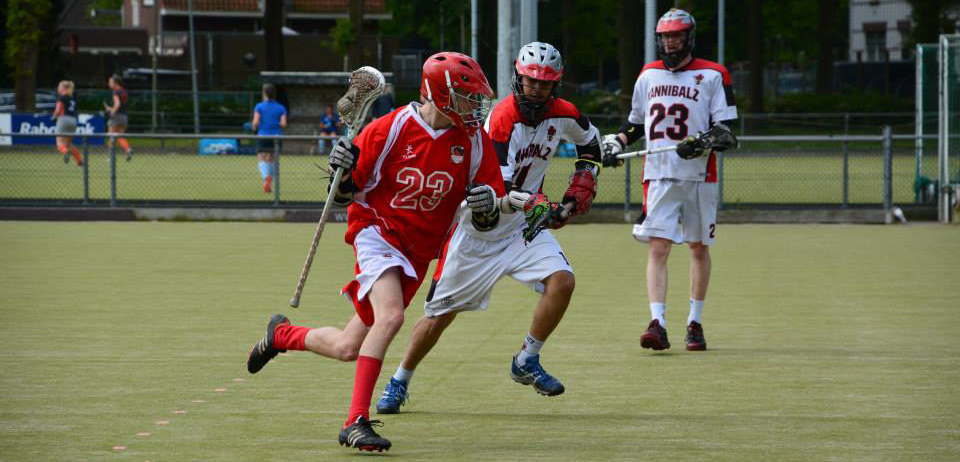
Bij lacrosse is er een buiten- en een binnenvariant, respectievelijk veld- en boxlacrosse. Bij de devils spelen we veldlacrosse en hebben we een mannen-, vrouwen- en jeugdteam. Wij hebben voor de Devils een serie gemaakt genaamd #netjebalvoordummies. Check ons Youtube kanaal voor onze videos die uitleggen hoe zowel mannen- als vrouwenlacrosse werkt!
Mannen lacrosse
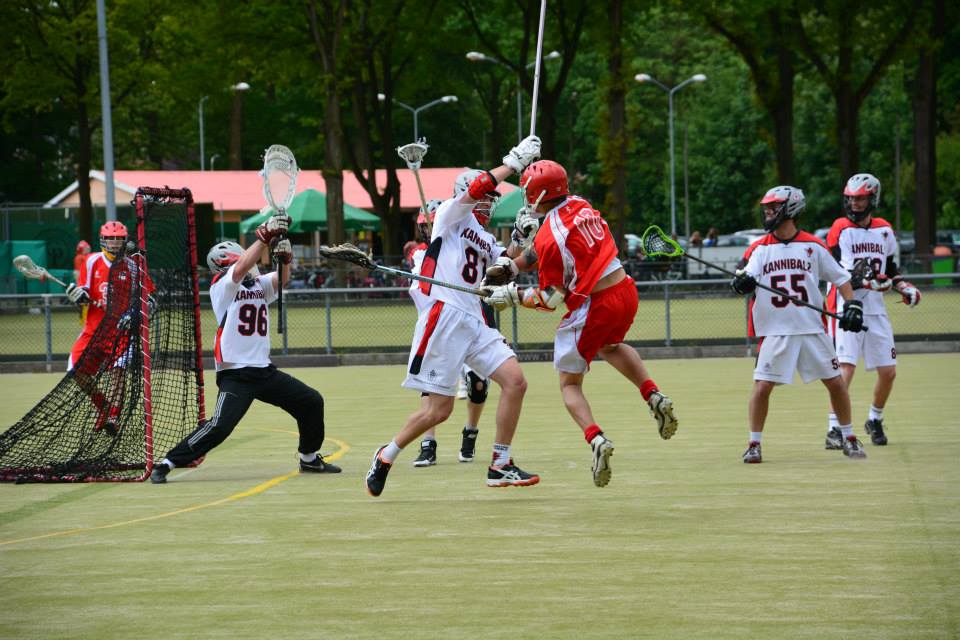
Lacrosse is een fysiek zeer inspannende sport waarvoor je niet alleen fit moet zijn, maar ook goed met je stick overweg moet kunnen en een goede hand-oog coördinatie nodig hebt. Mannen lacrosse wordt gespeeld met tien spelers in elk team: een goalkeeper, drie verdedigers op de verdedigende helft; drie middenvelders (vaak “middies” genoemd) die het hele veld over mogen rennen; en drie aanvallers die op de aanvallende helft proberen te scoren. Dit is internationaal de meeste gespeelde variant van de sport.
Elke speler heeft een lacrosse stick (of crosse). Een korte crosse of “short stick” is tussen de 1.0 en 1.1 meter lang (head en shaft bij elkaar) en wordt meestal gebruikt door aanvallers en middenvelders. In totaal mogen er per team vier spelers op het veld staan die een lange crosse (ook wel “long pole, long stick of d-pole” genoemd) meenemen, deze zijn tussen de 1,3 en 1,8 meter lang. Deze worden voornamelijk gebruikt door verdedigers en middenvelders. De head van je stick (plastic bovenkant) mag op zijn wijdst maximaal 17 cm zijn, er is geen limiet aan smalheid, maar de bal moet altijd uit de stick kunnen rollen. De goalkeeper heeft een stick tussen de 1,0 en 1,8 meter lang, en zijn head mag 30cm wijd zijn, zodat hij hiermee beter ballen kan stoppen.
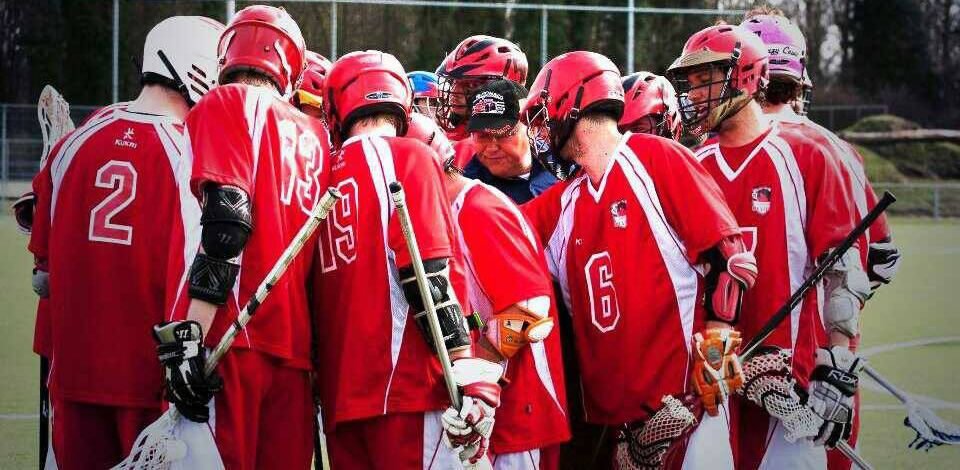
Het speelveld is 100 meter lang en 55 meter wijd. De goals zijn 1,8 meter hoog en 1,8 meter wijd. Om de goal is een cirkel getekend, dit is de “crease”, deze is 5,5 meter in diameter. Zowel op de aanvallende als verdedigende helft bevindt zich een “restraining box”. Bij het begin van elk kwart, en spelhervatting na elk goal bestaat uit een face-off. Bij een face-off leggen twee spelers hun stick horizontaal naast de bal, met de head centimeters van de bal af en de shaft langs de middenlijn (te zien op de afbeelding hierboven). Daarna vechten ze om de bal, door deze bijvoorbeeld onder hun stick te klemmen en daarna op te wippen naar hun medespeler. Aanvallers en verdedigers mogen niet uit de “restraining box” totdat een middenvelder balbezit heeft, of de bal over de lijn van deze box heen is. Als een speler van een team de bal aanraakt en deze daarna over de lijn gaat, krijgt het andere team de bal. Spelers wisselen mag continu in Lacrosse, dit wordt soms ook “on the fly” wisselen genoemd. Hier is wel een speciaal vak voor aan de zijlijn, alleen wissels binnen dit vak zijn legaal.
Voor de meeste straffen wordt de speller die de overtreding begin naar de “penalty box” gestuurd, die tussen de banken van de twee teams in ligt. Zijn team moet daarna een bepaalde tijd door (afhankelijk van de overtreding) met een man minder. De meeste straffen zijn “releasable”, als er dan een goal gescoord wordt door het andere team, is de straf voorbij. Technische overtreding (zoals off-side (anders dan buitenspel bij voetbal) en holding) resulteren in een verandering van balbezit of een straftijd van 30 seconden, terwijl persoonlijke overtredingen meestal bestraft worden met een minuut (hoewel zwaardere overtredingen, zoals met een illegale stick spelen kunnen leiden tot tijdstraffen van wel drie minuten, die niet releasable zijn). Het team wat met een man minder speelt door een tijdstraf speelt “man down”, en het andere team hierdoor “man up”. In deze situaties spelen teams ook met verschillende strategieën, zowel in de verdediging als in de aanval. Off-side wordt bestraft met 30 seconden. Een team is off-side als er meer dan 7 spelers op de verdedigende helft staan (normaal dus alleen 3 middenvelders, 3 verdedigers en 1 goalkeeper), of meer dan zes spelers op de aanvallende helft (normaal drie middenvelders, drie aanvallers).
Vrouwen lacrosse
Vrouwen lacrosse verschilt qua regels enorm van mannen lacrosse, met name qua bescherming en de toegestane hoeveelheid fysiek contact. Zo richt vrouwenlacrosse zich voornamelijk op de tactiek en de snelheid van de sport en is er weinig body contact. Daarom is het voor vrouwen ook enkel verplicht om een bitje te dragen en is verdere bescherming, zoals een gezichtsbeschermer of handschoenen, optioneel. Vrouwen mogen namelijk enkel met hun stick op de stick van de tegenstander slaan (checken) als daar een bal in zit. Dit met het doel dat de bal eruit valt en afgepakt kan worden. Ook mag men alleen checken als de stick niet in de buurt is van het hoofd, om zo het spel veilig te houden. Een speelster kan de bal beschermen door de stick dicht bij haar hoofd te houden, maar omdat hier een regel op staat dat dit niet langer dan drie seconden mag, moet de speelster de bal in het veilige gebied houden, er snel uit halen, er weer in houden etc. Dit wordt ‘cradling’ genoemd.
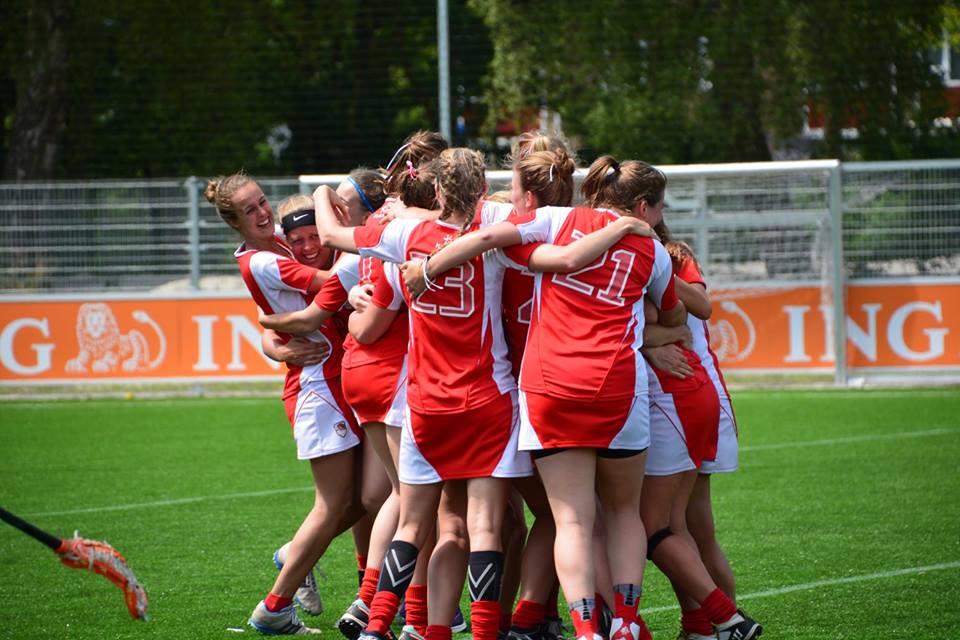
Een vrouwenwedstrijd duurt vier keer 15 minuten, waarbij de tijd alleen stil wordt gezet bij elk fluitsignaal van de scheidsrechter tijdens de laatste dertig seconde van elke kwart. Vrouwenlacrosse wordt gespeeld door tien spelers per team, waaronder een goalkeeper, drie verdedigers, een middenverdediger, een midmid, een middenaanvaller en drie aanvallers. Een aanvallend spel wordt gespeeld door zes speelsters (tegen zeven speelsters inclusief goalie van het andere team), wat inhoudt dat de goalie met drie verdedigers achter de zogeheten restrainer moeten blijven. Deze lijn ligt tussen de middelijn en het goal van de tegenstander in. Het wisselen van spelers is onbeperkt.
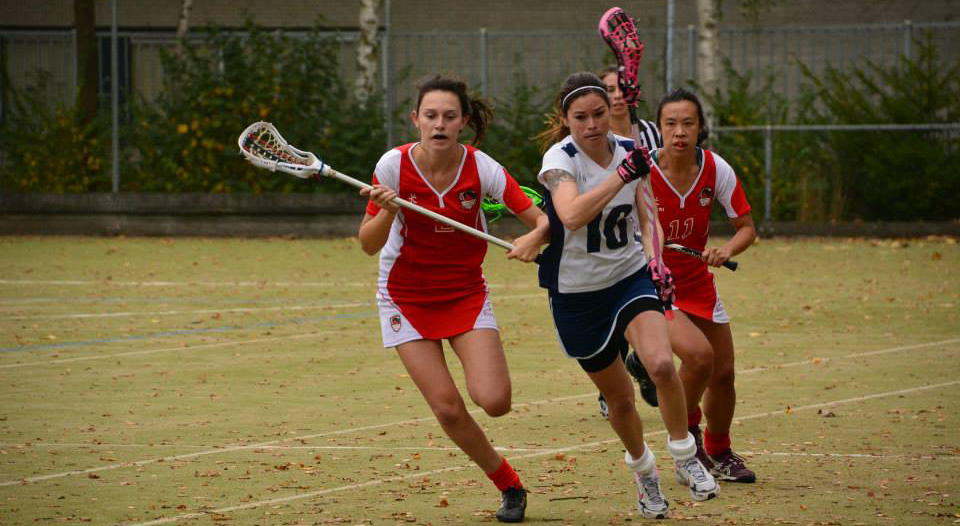
De kunst van het spel is snelheid, tactiek, samenspel en goed voetenwerk. Goals worden voornamelijk gemaakt door mooie assists door teamgenoten of door samenspel om een teamgenoot vrij te spelen met de bal. Maar ook individuele goals kunnen worden gemaakt door snelheid of door goed voetenwerk, waardoor je de verdediger kan misleiden en vrij kan lopen. Bij het begin van elke helft en na elk goal wordt er gestart met een draw. Hierbij staan de midmid speelsters van elk team tegenover elkaar op de middenstip, waarbij de bal tussen hun sticks wordt geplaatst (zie afbeelding hieronder). Op het fluitsignaal proberen de speelsters de bal zodanig te bewegen dat de bal zich naar boven beweegt (boven schouderhoogte) en een richting op gaat waar teamgenoten staan.